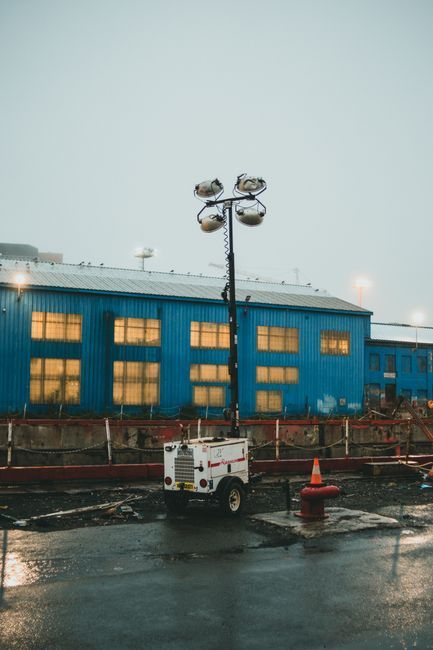
How mobile lighting towers support civil projects
Mobile lighting towers give civil and infrastructure teams a flexible way to illuminate work areas, access roads, compounds, and temporary traffic zones. They can be moved as the work front changes, making them useful for staged projects, night works, roadworks, and maintenance windows.
For contractors, the benefit is not only brighter work areas. Mobile lighting can also help crews set up faster, respond to changing site conditions, and keep key access points visible when permanent lighting is unavailable.
Flexible lighting for changing work fronts
Civil projects rarely stay static. Crews may move between excavation zones, road sections, bridge works, utility corridors, and compound areas within the same project. Mobile towers allow lighting to be repositioned as the work area changes.
This flexibility is useful for road repairs, bridge maintenance, trenching, drainage works, resurfacing, emergency works, and temporary access routes. Instead of relying on fixed lighting infrastructure, project teams can light the areas that are active at the time.
Supporting night works and extended shifts
Night works often require dependable lighting that can be deployed quickly and positioned around traffic control, exclusion zones, plant movements, and worker access. Mobile towers can help support visibility for supervisors, operators, spotters, and crews.
Lighting should be planned to reduce shadows and glare, particularly around machinery, barriers, and live traffic interfaces. Correct tower placement can make a major difference to how useful the lighting is on site.
Compounds, access roads, and laydown areas
Mobile lighting towers are also useful away from the main work front. Site compounds, parking areas, laydown yards, temporary roads, and loading zones often need illumination before and after daylight hours.
Depending on the task, teams may use LED towers, solar towers, hybrid systems, or temporary street light-style products. The right choice depends on runtime, required output, noise limits, fuel access, and project duration.
Choosing a tower for civil works
When selecting a mobile lighting tower, consider the size of the area, the type of work, the expected operating hours, and whether the equipment needs to be moved regularly. For longer regional projects, fuel consumption and service access may also influence the best hire option.
Site Light Rentals supports civil and infrastructure contractors with mobile lighting options for work fronts, access routes, compounds, and temporary roads. View lighting products or contact the team to discuss project lighting hire.