Solar lighting towers in Australia: are they worth it?
Solar lighting towers have become a practical option for many Australian construction, civil, commercial, and infrastructure sites. They can reduce fuel use, lower operating noise, and provide temporary lighting without fixed power or extensive cabling.
Whether they are worth it depends on the site. A well-matched solar tower can be a cost-effective hire choice, while the wrong system can leave a work area underlit or require backup support. The key is matching the tower to the lighting task, runtime, and environmental conditions.
Where solar lighting towers work well
Solar light towers are well suited to temporary access lighting, car parks, compounds, pedestrian routes, laydown areas, low-speed site roads, and commercial spaces where silent operation and reduced emissions are useful. They are also popular where running cables or generators would create extra setup time.
On longer projects, the savings can come from reduced fuel handling, fewer refuelling visits, and less generator runtime. For remote or regional projects, cutting down on refuelling logistics can be a significant operational advantage.
Solar lighting is also useful around sensitive areas, including residential interfaces, commercial facilities, events, and sites where noise needs to be managed outside standard work hours.
When solar may not be the best fit
Solar is not always the right answer. High-output work zones, heavy plant areas, major night works, and locations with limited sunlight may require LED, hybrid, or generator-supported lighting instead. Weather exposure, shade, daily runtime, and battery capacity all matter.
In Queensland conditions, solar lighting can perform well across many sites, but extended cloud cover, shaded locations, or longer overnight runtime expectations need to be allowed for. The system should be selected against the actual use case rather than chosen purely because it is solar.
If the lighting task involves detailed work, high-risk movement, or large coverage areas, a lighting layout review is recommended before equipment is mobilised.
Fuel, noise, and operating cost benefits
The strongest argument for solar lighting is usually reduced operating cost. Without constant generator runtime, projects can reduce fuel consumption, refuelling labour, and associated service requirements. Over a longer hire period, these savings can become meaningful.
Noise reduction is another major benefit. Silent or low-noise operation can support works near offices, residential areas, hospitals, events, schools, or public interfaces. It can also improve conditions for site teams working around lighting equipment for extended periods.
Because solar systems are generally self-contained, they can also simplify site logistics. This makes them useful for temporary installations where permanent lighting is not required or not yet available.
Choosing the right solar lighting option
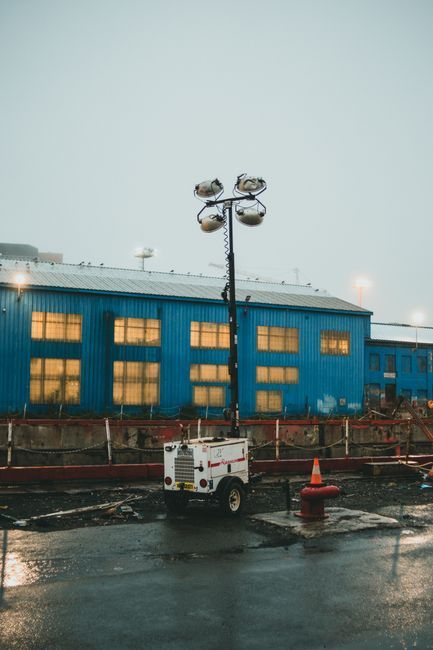
Different solar products suit different tasks. A trailer mounted solar light tower may suit mobile or temporary site lighting. Solar street lights can suit roads, detours, and longer-term access routes. All-in-one solar systems can suit commercial, pedestrian, and car park lighting applications.
Site Light Rentals can help compare solar options against LED and hybrid alternatives, so the hire setup suits the job rather than simply matching a product name. View the solar light tower range or contact the team for project-specific advice.