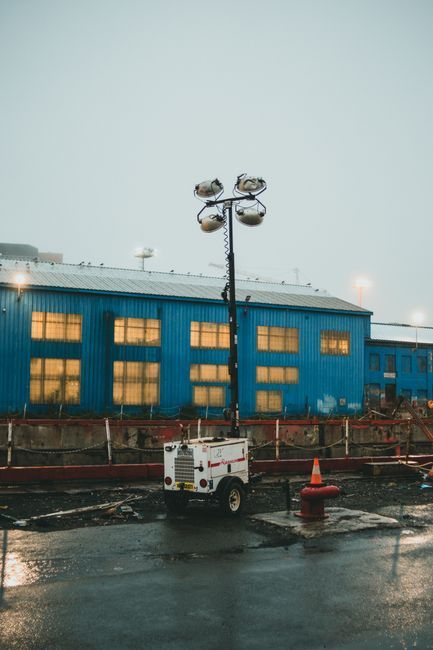
Solar hybrid light towers explained
Solar hybrid light towers are designed to reduce fuel use while still providing practical temporary lighting for sites that need dependable output. They combine solar generation, battery storage, and backup charging to support longer runtime with less reliance on continuous generator operation.
For remote job sites, regional civil works, mining support, shutdowns, and infrastructure projects, the appeal is simple: fewer refuelling visits, less generator runtime, reduced noise, and a more flexible lighting setup.
How solar hybrid light towers work
A solar hybrid light tower uses solar panels to charge onboard batteries during the day. At night, the lighting system draws from stored battery energy. Depending on the unit and site conditions, a backup generator or auxiliary charging source may also be used when solar input is not enough.
This hybrid cycle allows the tower to reduce generator hours rather than relying on a diesel engine to run continuously. Over longer hire periods, this can reduce fuel use, servicing needs, and transport movements linked to refuelling.
Why remote sites consider hybrid lighting
Remote projects often face higher costs for fuel, transport, servicing, and access. If a lighting tower can reduce how often it needs fuel or service support, the benefit can extend beyond fuel savings alone.
Hybrid systems can also help reduce noise during night operation. This may be useful for camps, regional facilities, commercial sites, residential interfaces, and projects where crews work close to the tower for extended periods.
For mining and resources work, hybrid lighting may be considered where output, runtime, and site specification need to be balanced with lower operating impact.
When hybrid is better than solar alone
Fully solar systems are useful for many access, car park, compound, and lower-demand lighting applications. However, some sites need stronger output, longer runtime, or backup support during poor weather.
Hybrid towers can provide a middle ground between conventional generator-powered lighting and fully solar lighting. They are often considered when project teams want to reduce fuel use but cannot rely on solar generation alone for the required lighting outcome.
Selecting the right hybrid setup
When choosing a solar hybrid light tower, consider the required light output, nightly runtime, site exposure, refuelling access, project duration, and whether the unit must meet site-specific requirements. Remote projects should also confirm delivery access, service windows, and mobilisation timing.
Site Light Rentals can help compare hybrid, solar, and LED options for mining, civil, infrastructure, commercial, and regional projects. View the lighting products range or contact the team to discuss solar hybrid light tower hire.